
Introduction
Packaging should be more than a method of getting your products to the consumer and it becomes the primary protection and impression that your customer will see. When it comes to shipping items, be it retail, electronic, cosmetic, even delicate products, the selection process of your custom box may be the difference between your successful delivery and broken return. This guide will take you through what matters most in choosing a custom box that not only makes your product safe, but also establishes trust in the eye of your customers.
The Importance of Custom Packaging
The standard boxes usually do not fit or offer the necessary strength to your product. The design of custom packaging will be based on your shape, size, weight, fragility of the item. This saves wastage of space, restricts the mobility, and provides security where it is required the most. Although you may end up saving on replacements and returns, you can ensure that you offer a better customer experience by preventing the damage that customers should not have to endure.
Factors to Consider When Choosing a Custom Box
1. Product Weight and Size
Begin with the dimension and the weight of your product. The larger/heavier ones will require thicker materials, such as the double-wall corrugated cardboard. Light weight products can use a single wall only. An oversized box has crevices to move around and an undersized box may crush.
2. Material Strength
Not every cardboard is the same. Custom boxes possess varying grades and thickness. In most cases of shipping either long distances, or during multiple handling processes, stronger board grades are essential. Waterproof merchandise (which is easily damaged by water or heat) can be made using water resistant materials as well.
3. Box Style and Construction
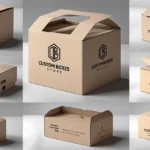
Boxes are numerous in style, with some of the common ones being recognised as regular slotted containers (RSC), mailer, and die-cut. The correct one lies in the way your product is being presented and transported. A mailer box may be suitable to subscriptions delivery, whereas RSC may be suitable in bulk delivery.
4. Internal Packaging Support
An additional measure of protection can be achieved through custom insert, divider or padding put on the inside of your box. Foam inserts and corrugated dividers and also paper filling are used to minimize the impact and hold the product safe during the shipping process. This is extra crucial in case of delicate or multifaceted goods.
5. Shipping Environment
Consider the distance covered by the package and treatment that the package will receive. Will it undergo stacking? Pass several carrier? Subjected to weather? The protection the packaging requires can be different depending on local or overseas deliveries.
Testing Your Packaging
It is also wise to carry out a trial run before you seal off your packaging. Send small samples of the shipment to know how the box works in actual situation. Inspect the corners or dented, or collapsed parts, or interior moving. Even a slight change of size or of material may count.
Working with a Reliable Packaging Supplier
Selecting the right supplier is imperative as it is in selecting the right box. An informed packaging solution provider can offer you material/design/cost effective solutions within a range of your requirements. The partner you are seeking should know what you are marketing as well as what you want to achieve.
Final Thoughts
Packaging is not a box only, it is a part of the journey of your product. When you select the proper custom box, there is automatically a reduced number of damaged goods, returns, and happy customers. With an emphasis on product fit, material strength, and internal protection you will be able to ship confidently and become a more trusted brand.
When it comes to bespoke packaging, Custom Boxes Store will offer their assistance. Tell us what you are shipping and we will advise you the best package to suit you.