Blog
Beyond the Box: A Beginner’s Guide to Understanding Packaging Materials
In the bustling world of products, from delectable pastries to delicate electronics, there’s one unsung hero that plays a crucial role: packaging. It’s more than just a container; it’s the protector, the marketer, and often, the first impression. But have you ever stopped to consider what your packaging is actually made of?
At Custom Boxes Store (CBS), we believe that understanding the building blocks of packaging is the first step towards making informed choices for your business. So, let’s look “beyond the box” and dive into a beginner’s guide to the most common packaging materials you’ll encounter.
Why Material Matters: More Than Just Protection
Before we explore the materials themselves, it’s important to grasp why your choice matters. The right material impacts:
- Product Protection: Ensuring your item arrives safely, free from damage.
- Brand Perception: Communicating quality, sustainability, or luxury.
- Cost-Effectiveness: Finding the balance between protection and budget.
- Sustainability Goals: Opting for eco-friendly or recyclable options.
- Shipping & Handling: Affecting weight, durability, and logistical ease.
Now, let’s break down the key players in the packaging material arena.
1. Paperboard (Folding Carton)
Often seen in cereal boxes, medicine packaging, and cosmetic cartons, paperboard is a versatile and lightweight material made from paper pulp. It’s known for its excellent printability, allowing for vibrant graphics and branding.
- Key Characteristics: Smooth surface, easy to cut and fold, good for detailed printing.
- Common Uses: Food packaging (dry goods), beauty products, pharmaceuticals, small electronics.
- Why Choose It? Ideal for retail display, branding, and relatively light products where protection from impact isn’t the primary concern. It’s also widely recyclable.
2. Corrugated Cardboard
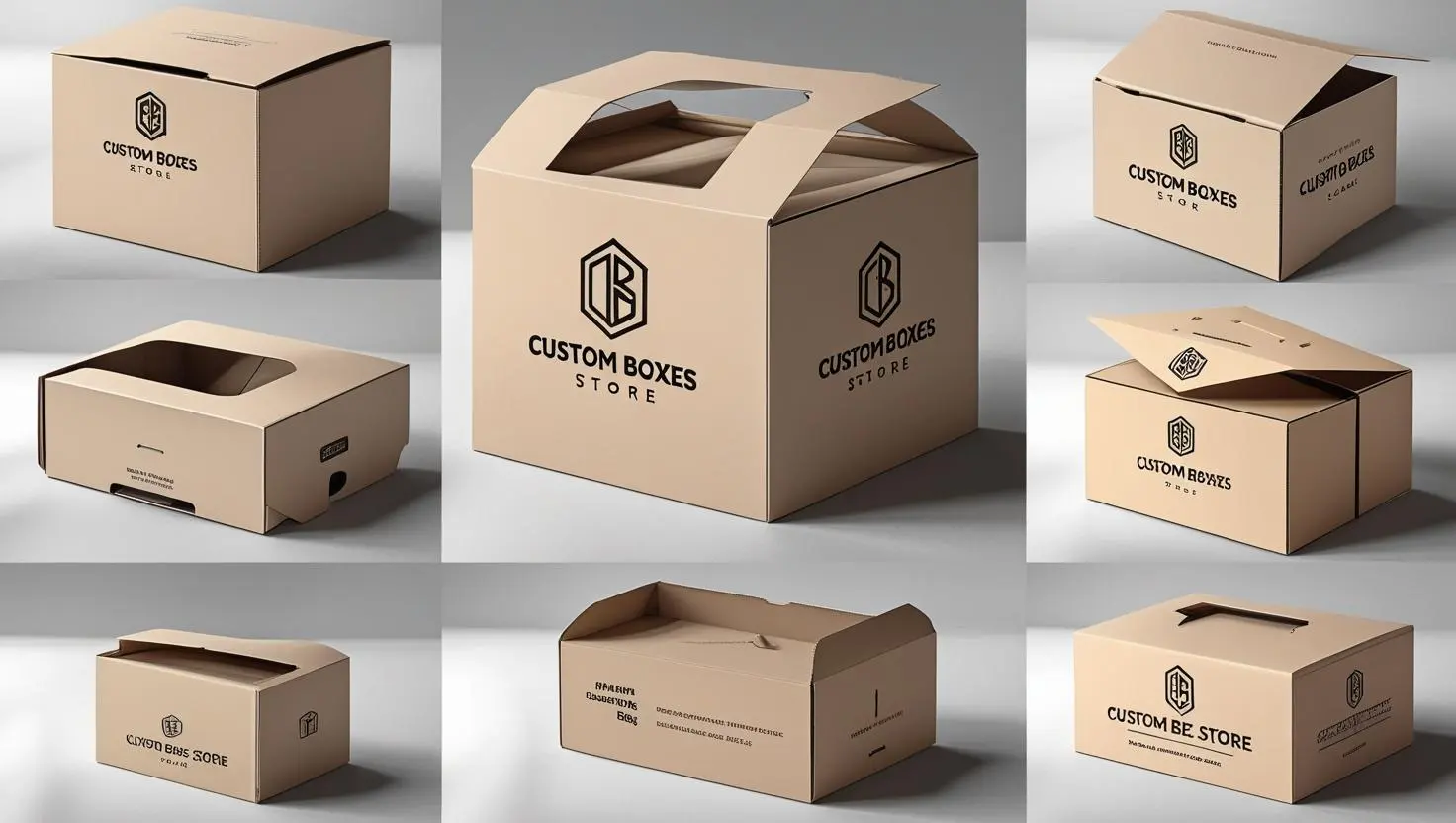
When you think of a shipping box, you’re likely thinking of corrugated cardboard. This material is distinguished by its unique structure: a fluted (wavy) layer sandwiched between two flat linerboards. This design provides exceptional strength and cushioning.
- Key Characteristics: Strong, durable, excellent for cushioning and stacking, various flute sizes (e.g., A, B, C, E, F) offer different strengths.
- Common Uses: Shipping boxes, moving boxes, e-commerce packaging, heavier product packaging, retail displays for bulky items.
- Why Choose It? Unbeatable for protecting products during transit, especially for items needing significant impact resistance. It’s also highly recyclable and often made from recycled content.
3. Kraft Paper
Kraft paper is a strong and durable paper produced from wood pulp using the Kraft process. It’s recognizable by its natural brown color, though it can also be bleached white. Its inherent strength makes it a popular choice for various packaging applications.
- Key Characteristics: High tear resistance, natural aesthetic, durable, often used for wrapping or as internal padding.
- Common Uses: Paper bags, wrapping paper, dunnage (void fill), protective layers within boxes, eco-friendly product packaging.
- Why Choose It? If you’re aiming for a rustic, natural, or environmentally conscious brand image, Kraft paper is an excellent choice. It provides good protection without adding excessive bulk.
4. Rigid Boxes
Unlike folding cartons or corrugated, rigid boxes don’t fold flat. They are made from highly condensed paperboard or chipboard, giving them a premium, sturdy feel. Think of luxury brand gift boxes, high-end electronics packaging, or keepsake boxes.
- Key Characteristics: Non-collapsible, extremely durable, premium feel, often covered with decorative paper, fabric, or leather.
- Common Uses: Luxury goods, jewelry, high-end electronics, cosmetics, presentation kits.
- Why Choose It? For an unparalleled unboxing experience and to convey a sense of luxury, exclusivity, and high value. They offer superior protection for delicate or high-value items.
5. Plastic (Various Types)
Plastic is a vast category, offering an incredible range of properties from flexibility to rigidity. Common types in packaging include:
- PET (Polyethylene Terephthalate): Used for bottles (water, soda), clam-shells, and clear packaging. Lightweight, strong, and widely recyclable.
- HDPE (High-Density Polyethylene): Used for milk jugs, detergent bottles, and some flexible packaging. Durable and opaque.
- PP (Polypropylene): Used for containers (yogurt, butter), caps, and some flexible films. Good chemical resistance.
- PVC (Polyvinyl Chloride): Used for blister packs, shrink wrap. Less common now due to environmental concerns.
- LDPE (Low-Density Polyethylene): Used for plastic bags, squeeze bottles, and film. Flexible and tough.
- Why Choose It? When clarity is needed, for liquid containment, or for specific barrier properties (e.g., against moisture, oxygen). However, environmental considerations often lead businesses to seek alternatives or recyclable options.
Making the Right Choice for Your Custom Boxes
Understanding these core packaging materials is the first step in creating packaging that truly reflects your brand and protects your products. At Custom Boxes Store, we work with businesses of all sizes to help navigate these choices, ensuring your custom boxes are not just containers, but a strategic asset.
From the robust strength of corrugated for secure shipping to the elegant presentation of a rigid box for luxury goods, the right material makes all the difference.
Ready to explore the perfect packaging material for your products? Contact Custom Boxes Store today for a personalized consultation!