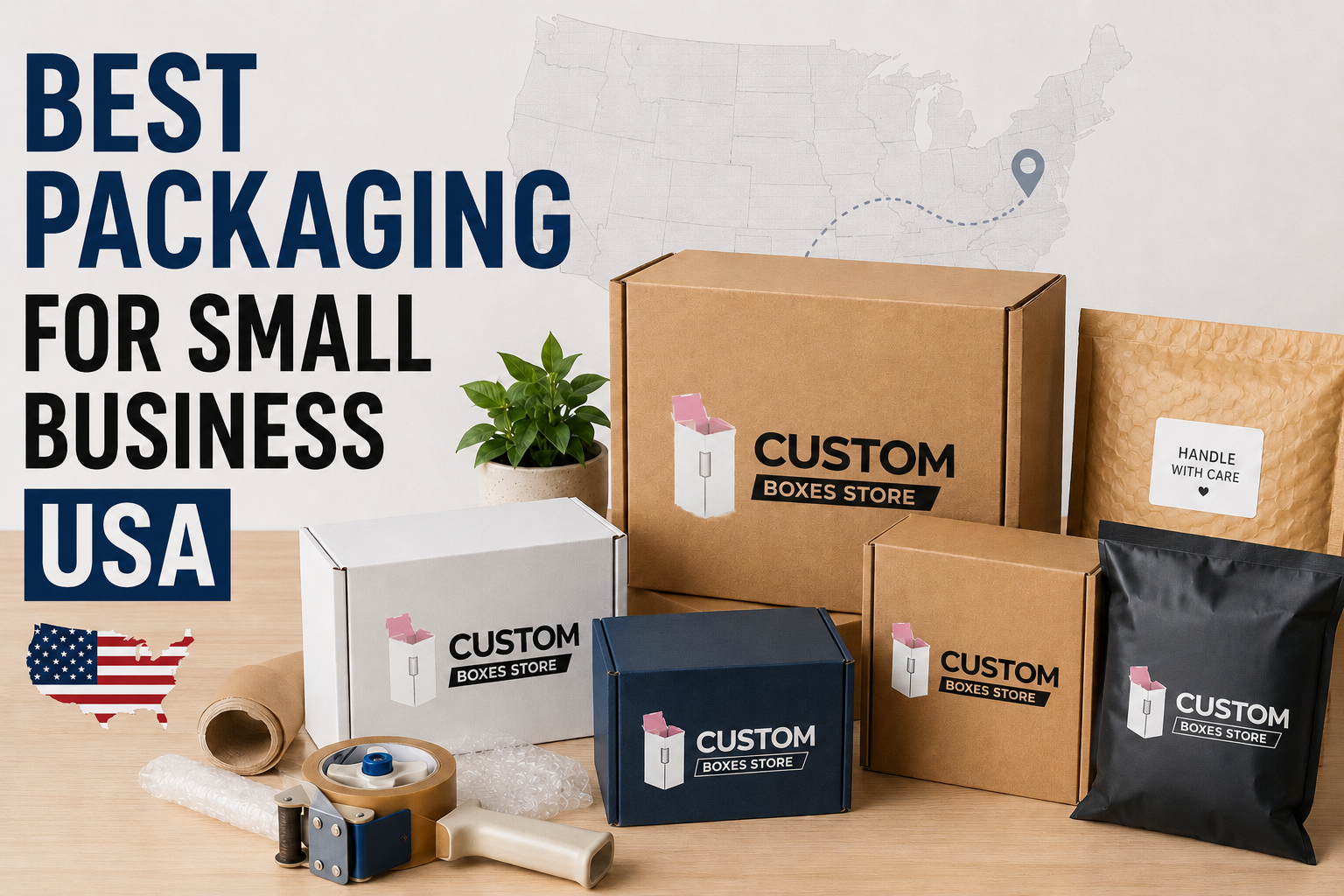
For small businesses in the United States, packaging plays a key role in daily operations. It is not only about covering a product but also about how it reaches the customer in good condition and how it reflects the business behind it. Many small brands grow faster when they pay attention to packaging because it directly affects customer satisfaction and repeat orders.
When a customer receives an order, the packaging is the first thing they see. A clean, secure, and well-prepared package gives a positive impression. On the other hand, poor packaging can lead to damaged items and negative reviews. This is why small business owners need to choose packaging that fits both their products and their brand image.
Understanding Packaging Needs
Every product has different requirements. A clothing brand does not need the same type of packaging as a business selling glass items. Before selecting packaging, it is important to understand the nature of your product. Fragile items need extra protection such as inserts or padding. Lightweight items can be packed in simple mailers to reduce cost.
The size of the packaging also matters. Using a box that is too large increases shipping cost and requires extra filler material. A properly sized package keeps the product secure and reduces movement during transit. This helps prevent damage and keeps expenses under control.
Common Packaging Options for Small Businesses
Small businesses across the USA use a variety of packaging types depending on their needs. Each option serves a different purpose.
Corrugated boxes are one of the most widely used choices. They are strong and suitable for shipping a wide range of products. These boxes are available in many sizes, making them a practical option for businesses that handle a variety of items.
Mailer boxes are popular among online brands. They are easy to assemble and offer a neat presentation. Many small businesses use them for items like clothing, accessories, and subscription products. They also allow simple branding with printed logos or stickers.
Poly mailers are a good option for soft and non-fragile items. They are light in weight, which helps reduce shipping charges. Many apparel businesses prefer them because they are easy to store and handle.
Rigid boxes are used when presentation is a priority. These boxes are more structured and give a premium feel. They are often used for gifts or special items where appearance matters as much as protection.
Importance of Branding in Packaging
Packaging is a direct extension of your brand. Even simple packaging can create a strong identity if it is consistent. Adding a logo, using brand colors, or including a thank you card can make a big difference.
Customers remember small details. A neatly packed order shows that the business cares about quality. This increases the chances of repeat purchases. Many small businesses in the USA have built strong customer loyalty by focusing on these details.
At the same time, branding does not have to be expensive. Simple printing or well-placed labels can achieve a professional look without increasing costs too much. The goal is to create a clear and consistent image that customers recognize.
Managing Packaging Costs
Cost control is important for small businesses. Packaging should be effective but also affordable. One way to manage costs is by ordering materials in bulk. This reduces the price per unit and ensures a steady supply.
Another important factor is weight. Shipping carriers often charge based on weight and size. Choosing lighter materials can help reduce shipping expenses. At the same time, the packaging must still be strong enough to protect the product.
Avoid using unnecessary materials. Overpacking not only increases cost but can also affect customer perception. A simple and clean package is often more appreciated than one filled with excess material.
Shipping and Handling Considerations
Shipping plays a major role in packaging decisions. Packages go through multiple stages before reaching the customer. They are handled, stacked, and transported over long distances. This is why durability is important.
Testing your packaging is a good practice. Sending a few trial packages can help identify any issues before scaling operations. This allows small businesses to make adjustments and avoid larger problems later.
Clear labeling is also essential. It helps ensure that the package reaches the correct destination without delays. Labels should be easy to read and securely attached.
Customer Experience and Packaging
Packaging has a direct impact on customer experience. A well packed product creates a sense of trust and professionalism. Customers are more likely to return when they receive their orders in good condition.
Simple additions such as a thank you note or a small insert can make the experience more personal. These touches do not require a large budget but can leave a lasting impression.
Easy opening is another important factor. Customers prefer packaging that can be opened without difficulty. This small detail can improve the overall experience and reduce frustration.
Trends in Small Business Packaging in the USA
Small businesses in the USA are moving towards practical and clean packaging styles. Many brands focus on reducing unnecessary materials and keeping packaging simple. This approach helps lower costs and meets customer expectations.
There is also a growing focus on using materials that are easier to handle and dispose of. Customers appreciate packaging that is straightforward and does not create inconvenience after opening.
At the same time, businesses are paying more attention to consistency. Using the same style of packaging for every order helps build a recognizable identity.
Final Thoughts
Choosing the best packaging for a small business in the USA requires careful planning. It involves understanding your product, managing costs, and creating a positive customer experience. There is no single solution that fits every business, but the right approach can make a strong difference.
A good packaging strategy protects your products, supports your brand, and keeps customers satisfied. For small businesses looking to grow, investing time in packaging decisions is a step in the right direction.